
Fire, a powerful force that has both fuelled and threatened human progress throughout history, prompted the development of various firefighting tools. One such crucial invention is the fire extinguisher, a device that plays a pivotal role in preventing and controlling the destructive force of flames. The history of fire extinguishers is a fascinating journey marked by innovation and a commitment to safeguarding lives and property.
The roots of fire extinguishers trace back to ancient times, where civilizations relied on primitive methods to combat fires. The earliest recorded device resembling a fire extinguisher dates back to a clever Greek inventor named Ctesibius who was from the ancient Egyptian city of Alexandria. In the first century AD, he created a rudimentary fire pump that used a combination of water, air pressure, and a simple nozzle to project water onto flames. This early prototype laid the groundwork for future developments in firefighting technology.

Centuries later, in the 18th century, a significant advancement occurred with the creation of the “fire syringe” by English chemist and physicist George William Manby. This device utilized a copper vessel containing a liquid mixture of water and potassium carbonate. By depressing a plunger, the mixture would be expelled through a nozzle, effectively creating a stream of liquid that could douse a fire. Manby’s invention marked the first practical handheld fire extinguisher, providing a more portable and user-friendly solution to combat fires.
The 19th century witnessed further progress in fire extinguisher technology. Henry Parmalee, an American, is credited with creating the first automatic fire sprinkler system in 1874. This innovative system utilized a series of pipes connected to a water supply and strategically placed sprinkler heads. When a fire broke out, the heat would activate the sprinkler heads, releasing water onto the flames. This laid the groundwork for the automatic suppression systems commonly used today.
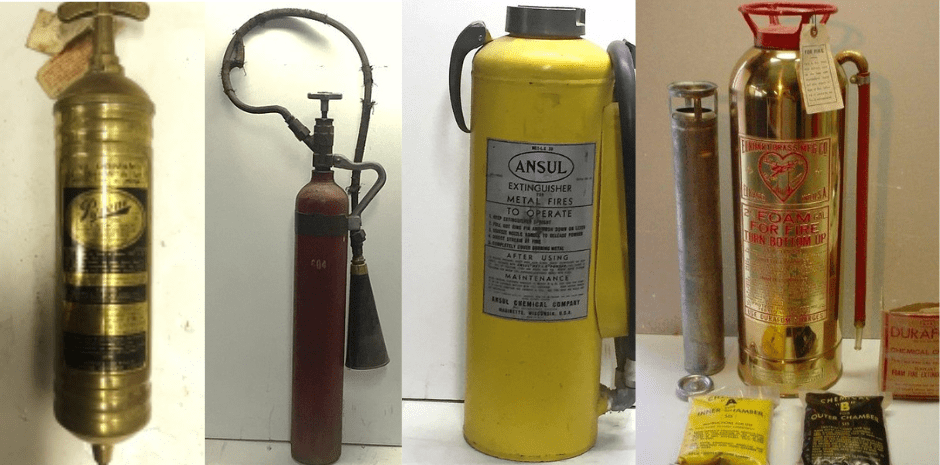
The modern fire extinguisher, as we know it, began to take shape in the early 20th century. In 1912, a patented design by Russian inventor Alexander Laurant revolutionized firefighting equipment. His hand-pumped device used a chemical mixture of sodium bicarbonate and sulfuric acid to produce carbon dioxide, effectively smothering flames by displacing oxygen. This innovation marked a significant step forward in fire suppression technology.
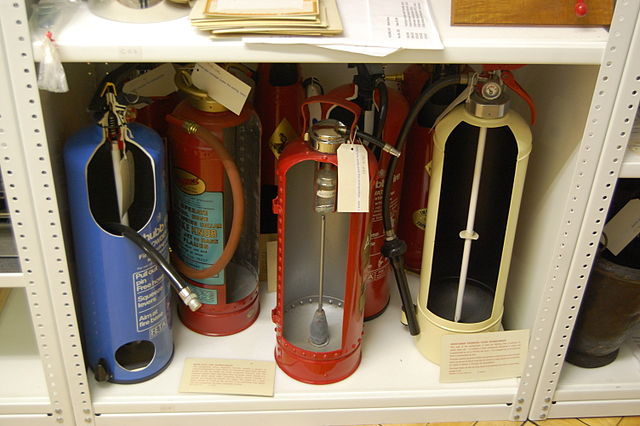
Further advancements continued throughout the 20th century, with the introduction of various types of fire extinguishers catering to specific classes of fires, such as those fuelled by flammable liquids or electrical equipment. The widespread use of portable fire extinguishers became a standard safety measure in homes, businesses, and public spaces.
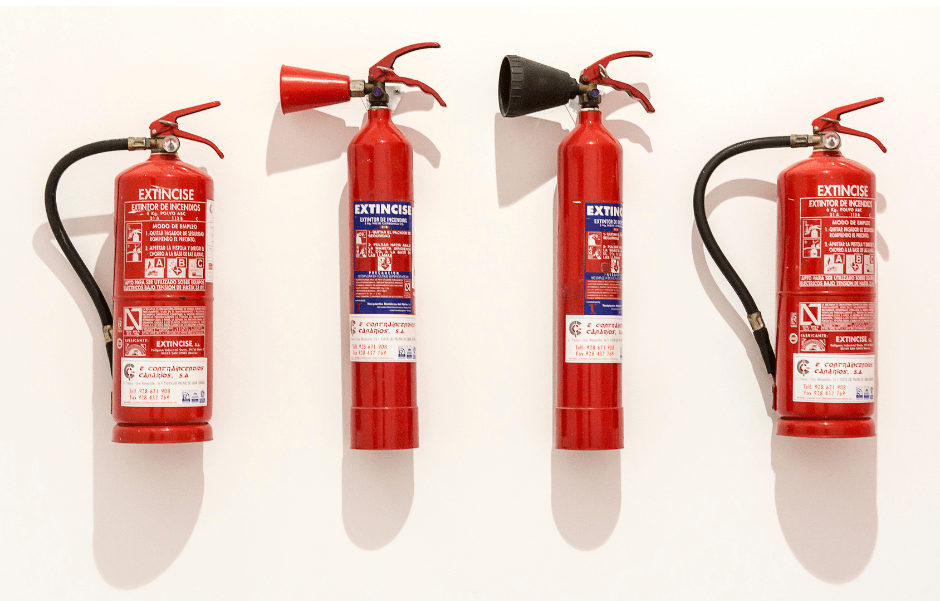
In the present day, fire extinguishers continue to evolve with the integration of new materials and technologies. Innovations include eco-friendly extinguishing agents, improved pressure systems, and the development of compact and lightweight designs for increased accessibility.
In conclusion, the history of fire extinguishers is a testament to human ingenuity and our commitment to fire safety. From ancient times to the present day, these essential devices have undergone significant transformations, becoming indispensable tools in the ongoing battle against the destructive force of fires. As technology advances, the quest for more efficient and environmentally friendly fire suppression methods continues, ensuring that fire extinguishers remain a crucial element in safeguarding lives and property. Contact us for advice on training and equipment.
DM
Images by Sebastià Giralt and Wikipedia.
 FireFight