
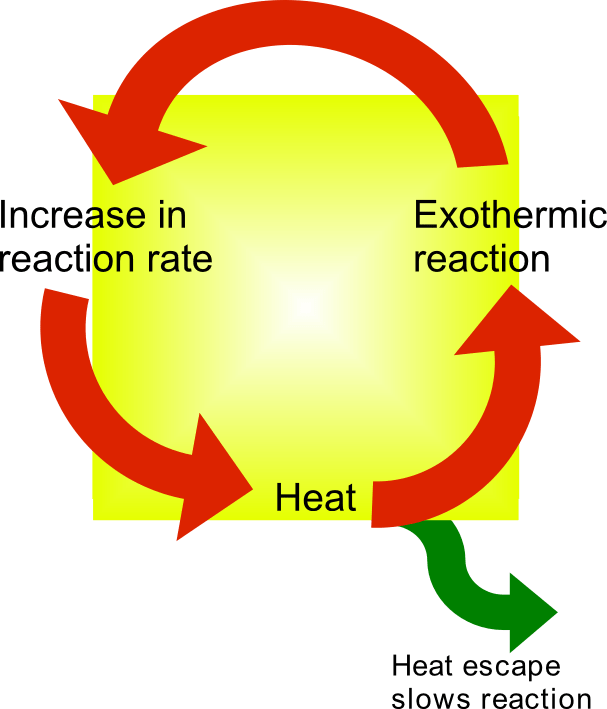
Thermal runaway occurs when heat generated within a system surpasses the heat dissipated to the environment. In batteries, particularly lithium-ion batteries, it starts when a cell undergoes internal short-circuiting or is exposed to external heat sources. The cell’s temperature rises, leading to the breakdown of materials within the battery and releasing additional heat. This self-reinforcing cycle can cause the temperature to spike dramatically.
Dangers:
- Fire and Explosion: The most immediate danger of thermal runaway in batteries is fire. The intense heat can ignite the electrolyte and other materials, leading to explosions.
- Toxic Gas Emission: Decomposition of materials can release toxic gases, posing inhalation risks to humans and contamination risks to the environment.
- Structural Damage: In electronic devices, thermal runaway can cause irreversible damage, destroying the device and potentially causing harm to nearby equipment or structures.
Prominent Areas:
- Batteries: Lithium-ion batteries in smartphones, laptops, electric vehicles, and energy storage systems are particularly prone to thermal runaway due to their high energy densities.
- Chemical Processes: Industrial reactors can experience thermal runaway if exothermic reactions are not adequately controlled, leading to potentially catastrophic failures.
- Nuclear Reactors: Although heavily safeguarded, nuclear reactors must be meticulously managed to prevent thermal runaway, which could result in meltdowns.
Mitigating thermal runaway involves rigorous safety protocols, including proper thermal management systems, protective circuits in batteries, and vigilant monitoring in industrial processes. Understanding and addressing the dangers of thermal runaway is crucial in advancing technology and maintaining safety in various applications.
For advice on all aspects of fire safety, get in touch with us now via our contact page.
KS
 FireFight